New
Our Future Programme
Sustainable materials
A more sustainable product starts with the design and the choice of materials. We’re still not perfect, but we have a clear goal in sight: to broaden our portfolio of more responsible materials even further. In doing so, we reduce the risks to people and the environment.
Cotton
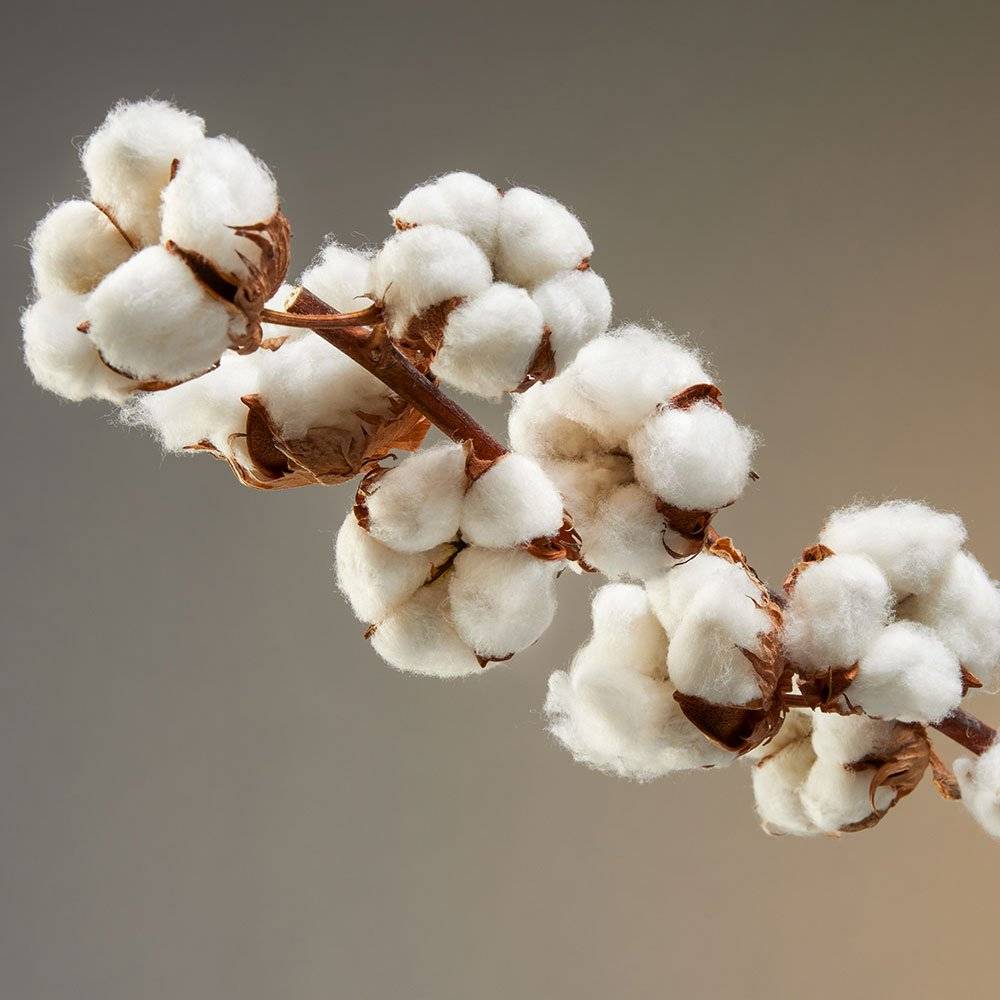
Cotton is one of our most important raw materials. To promote fibres produced in a socially and environmentally responsible manner, we use certified organic and recycled cotton. Through our Empowering Farmers project, we purchase sustainable materials and help farmers in India to grow organic cotton.
More about the origin and certification of our cotton
?fmt=jpeg&qlt=75&w=2880)
?fmt=jpeg&qlt=75&w=2880)
Organic cotton and transitional cotton
Organic cotton is grown without the use of synthetic fertilisers, pesticides or herbicides. In order to ensure that our products contain organic cotton, we use established standards within our supply chain. This allows us to ensure reliability – from the raw material and the yarn to the final product. To support organic cotton ever further, we also use cotton from the transitional phase. It can take up to three years to transition to organic farming. During this time, farmers adhere to the principles of organic farming until the cotton is officially certified as organic. In order for you to be able to rely on the origin, we work with standards set by Textile Exchange. We are certified in accordance with the Organic Content Standard (OCS), which verifies organically sourced fibres from farm to finished product.
?fmt=jpeg&qlt=75&w=2880)
?fmt=jpeg&qlt=75&w=2880)
?fmt=webp&qlt=75&w=2880)
?fmt=webp&qlt=75&w=2880)
Recycled cotton
We use recycled cotton to make use of materials that have already been used, thereby reducing the use of new raw materials. For example, recycled cotton comes from used clothing or home textiles. For traceability and security, we rely on established certification systems: We are certified by Textile Exchange in accordance with the Global Recycled Standard (GRS) and the Recycled Claim Standard (RCS). Both standards verify recycled fibres from farm to finished product.
?fmt=jpeg&qlt=75&w=2880)
?fmt=jpeg&qlt=75&w=2880)
?fmt=jpeg&qlt=75&w=2880)
?fmt=jpeg&qlt=75&w=2880)
Better Cotton Initiative
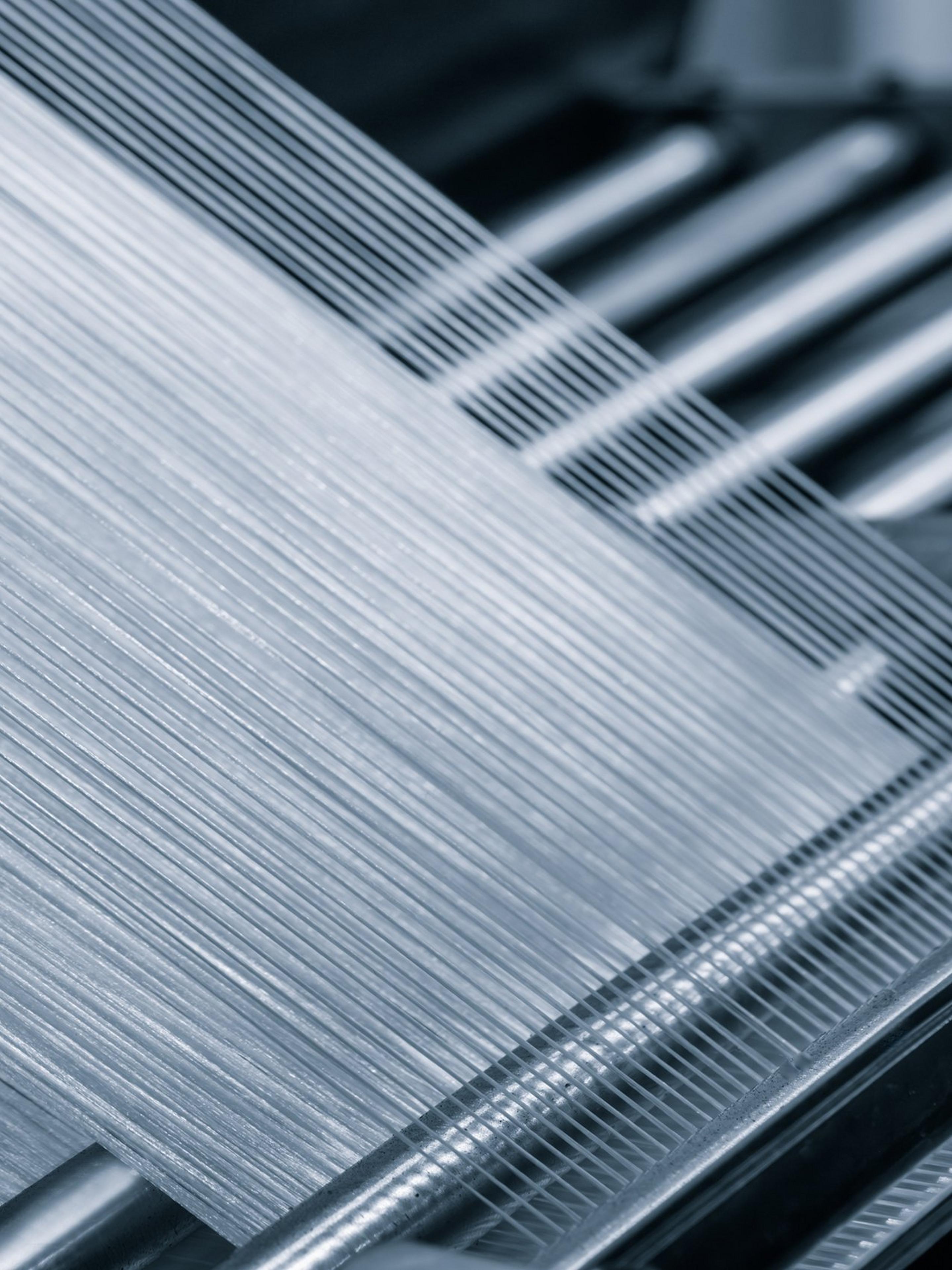
Better Cotton helps cotton farms to grow cotton in a more socially and environmentally responsible manner. Farms that supply Better Cotton must meet minimum requirements and constantly improve their practices – through less pesticides, more efficient water consumption and measures to protect the soil and biodiversity. You can find an overview of the Better Cotton criteria here (link: https://bettercotton.org/what-we-do/defining-better-our-standard/). The cotton is fed into the supply chain based on the mass balance approach. This means that it is not possible to clearly assign Better Cotton to a specific end product. So, we refrain from communicating on the end product.
?fmt=jpeg&qlt=75&w=2880)
?fmt=jpeg&qlt=75&w=2880)
?fmt=jpeg&qlt=75&w=2880)
Mass balance
In mass balance, the raw material and the end product balance each other out. Our suppliers purchase a specific amount of cotton that is needed for the manufacture of our goods through the Better Cotton initiative. During further processing, this cotton may then be mixed with conventional cotton. This means that the final product isn’t necessarily completely made of cotton from the initiatives. It is important, however, that the amount of more sustainable cotton purchased remains in the system. Every purchase supports the demand for more sustainable cotton – even if this is not directly evident in the product.
?fmt=jpeg&qlt=75&w=2880)
?fmt=jpeg&qlt=75&w=2880)
Materials of animal origin
Animal rights are important to us. As such, our animal welfare guidelines apply to all animal fibres and materials that we use. We want to keep increasing the percentage of responsibly sourced materials and use established standards for this. __Wool__ Wool is one of our most important animal materials. We do not use wool that originates from sheep that have undergone mulesing. Furthermore, we use wool obtained in accordance with animal welfare criteria, as well as recycled wool. In order to verify more responsible wool and recycled fibres from farm to finished product, we are certified by Textile Exchange in accordance with the Responsible Wool Standard (RWS), the Global Recycled Standard (GRS) and the Recycled Claim Standard (RCS). __Cashmere__ Luxurious cashmere can also be sourced more responsibly: We use The Good Cashmere Standard® (GCS), which was created to improve the welfare of cashmere goats. __Alpaca__ More responsible alpaca wool, a high-quality fibre with a warm, soft feel, is verified by the Responsible Alpaca Standard (RAS). __Down and feathers__ Down and feathers are known for retaining heat and are certified in accordance with the Responsible Down Standard (RDS).
Cellulose fibres
Cellulose fibres are obtained from renewable raw materials such as wood and are biodegradable, unlike synthetic fibres such as polyester. Nevertheless, there are risks involved in its supply chain – from the origin of the wood and possible deforestation to chemical-intensive processing. The viscose fibres LENZING™ ECOVERO™ (Lenzing AG) and LIVAECO™ (Birla) come from controlled forestry and have a low environmental impact. LENZING™ ECOVERO™ also comes with the EU Ecolabel. The production of modal and lyocell fibres under the brand TENCEL™ (Lenzing AG) follows a similar approach. Lenzing not only uses certified wood, but also fabric scraps left over from cutting cotton. REFIBRA™ technology creates new TENCEL™ lyocell fibres, thus reducing the use of resources.

Synthetic fibres
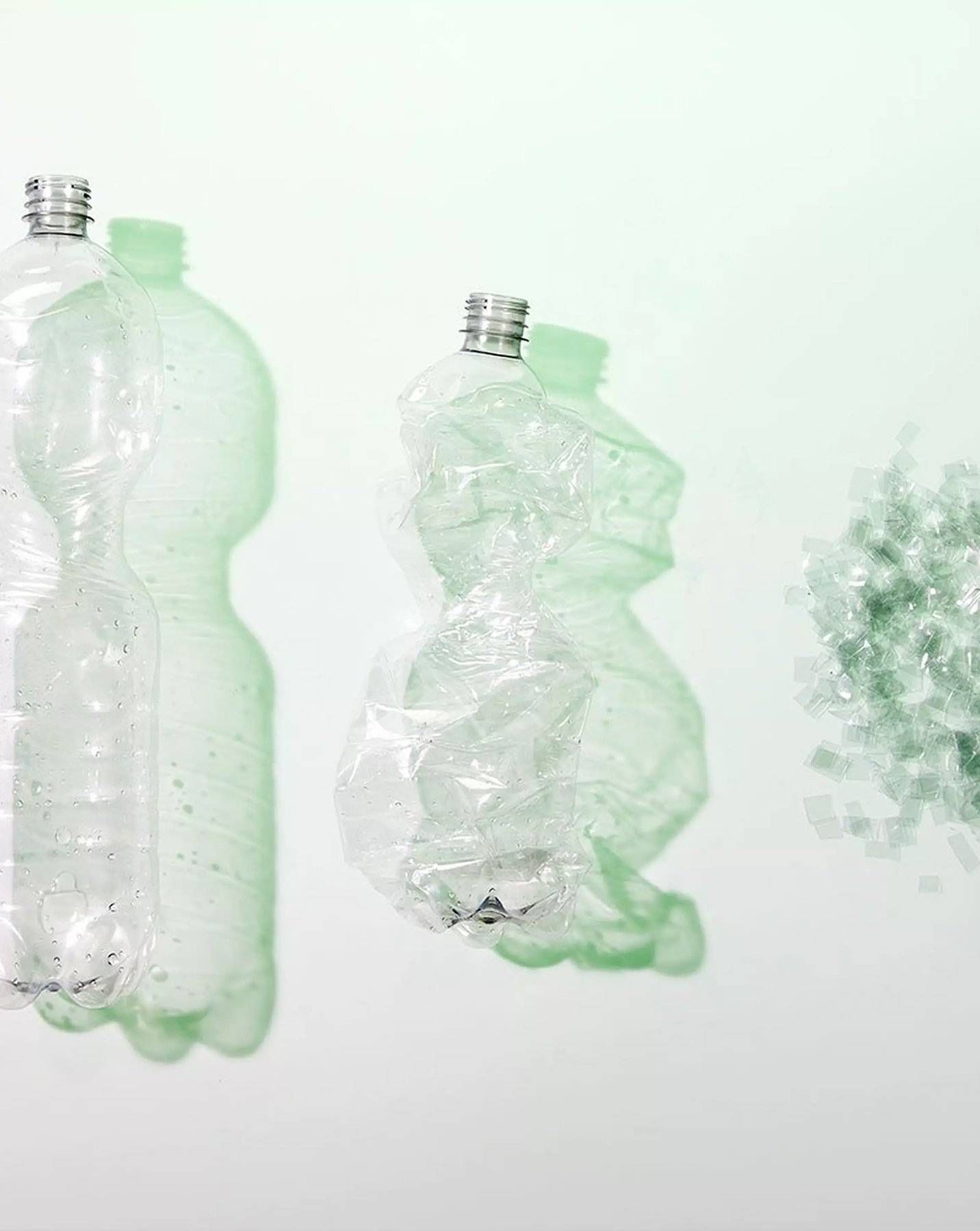
Polyester is the main component of our synthetic fibres and materials. It is associated with environmental and social risks, in particular when it comes to raw material extraction. This is why it is so important to reduce the use of synthetic materials overall and use less new polyester. By using recycled polyester, fibres remain in the material cycle for longer and fewer new resources are required. We are certified in accordance with the Global Recycled Standard (GRS) and the Recycled Claim Standard (RCS). Both standards verify recycled fibres from farm to finished product.
Certifications & Standards
OCS – Organic Content Standard
s.Oliver is certified in accordance with the Organic Content Standard (OCS), which verifies organically grown cotton from farm to finished product. Certified by Control Union TE-00104454.
RCS – Recycled Claim Standard
s.Oliver is certified in accordance with the Recycled Claim Standard (RCS), which verifies recycled materials from farm to finished product. Certified by Control Union TE-00104454. This standard can be used for cotton, polyester and wool, as well as down and feathers.
GRS – Gobal Recycling Standard
s.Oliver is certified in accordance with the Global Recycled Standard (GRS), which verifies recycled materials from farm to finished product. Certified by Control Union TE-00104454. This standard can be used for cotton, polyester and wool, as well as down and feathers.

RAS – Responsible Alpaca Standard
s.Oliver is certified in accordance with the Responsible Alpaca Standard (RAS), which verifies alpaca wool from farm to finished product. Certified by Control Union TE-00104454.
RDS – Responsible Down Standard
s.Oliver is certified in accordance with the Responsible Down Standard (RDS), which verifies down and feathers from farm to finished product. Certified by Control Union TE-00104454.
RWS – Responsible Wool Standard
s.Oliver is certified in accordance with the Responsible Wool Standard (RWS), which verifies wool from farm to finished product. Certified by Control Union TE-00104454.
Information on compliance with standards
For our products that are certified according to Textile Exchange standards (OCS, GRS, RCS, RDS, RWS, and RAS), it may occur in individual cases that our suppliers fail to provide us with the necessary documentation in good time. If these documents do not arrive on time, we cannot confirm that the styles in question meet the requirements of the respective standard. In order to be completely transparent and to comply with the Textile Exchange Standards, in such cases we would like to proactively inform you.
During our regular quality and standard checks, we have found that this is currently the case for some certified labelled items.
For all other products, we have fully verified and valid evidence at our disposal.
We are working closely with our partners to locate the missing documentation and to further strengthen our processes in order to ensure the highest standards are maintained in the long term. Thank you for understanding.
Discover more sustainable styles


Sustainable

Sold out
Sustainable

-15%

-15%


-44%

-33%

-50%

-15%


-10%

Sold out
Sustainable

What we are going to do next
In our strategy for more sustainable materials, we have continuously been setting ourselves targets for the use of even more sustainable materials in all our products for several years now. And we’ll continue to work on it in the future – for even better styles!


Circularity and care
Our vision is to drive the change from the linear fashion system to a circular model. To do this, we are integrating more sustainable standards and materials into all stages of production.

Social responsibility
We want to strengthen fairness and diversity in our supply chains. That’s why it’s important that we work in partnership with our suppliers to improve working conditions for people in order to achieve this goal.

Environmental protection
The textile industry has a huge impact on our environment. We are aware of this responsibility towards nature and want to reduce our negative impact on the climate and the environment.

Our more sustainable highlight products
We regularly generate momentum for more sustainable fashion through special highlight products. These styles combine several elements from our sustainability strategy in innovative products.

Shipping and packaging
Wherever possible, we reduce the use of packaging materials to the minimum necessary. We use certified and recycled materials for all packaging whenever possible.
Questions or suggestions?
Do other topics and actions seem more important to you and do you have questions or suggestions about our sustainability concepts? Let's talk about it! We know we still have a long way to go - there is still a lot to do. We are interested in your honest opinion. Write to us at [email protected].